Understanding Artificial Intelligence
Artificial Intelligence (AI) has quickly evolved into a critical aspect of our daily lives, influencing various sectors from healthcare to finance. At its core, AI is about creating systems that can perform tasks that typically require human intelligence, such as decision making, problem-solving, and learning from experience.
The Evolution of AI Technology
The journey of artificial intelligence began in the mid-20th century, with early computers achieving basic problem-solving abilities. Fast forward to today, AI encompasses much more complex systems, including machine learning and deep learning. These technologies enable machines to learn from large amounts of data, improving their performance over time without the need for explicit programming.
AI in Everyday Life
AI’s presence in our lives is undeniable. From voice-activated assistants like Siri and Alexa to personalized recommendations on streaming platforms, the integration of AI enhances our experiences:
- Healthcare: AI algorithms support medical diagnostics, predicting patient outcomes and personalizing treatment plans.
- Finance: Financial institutions utilize AI for fraud detection, risk assessment, and algorithmic trading.
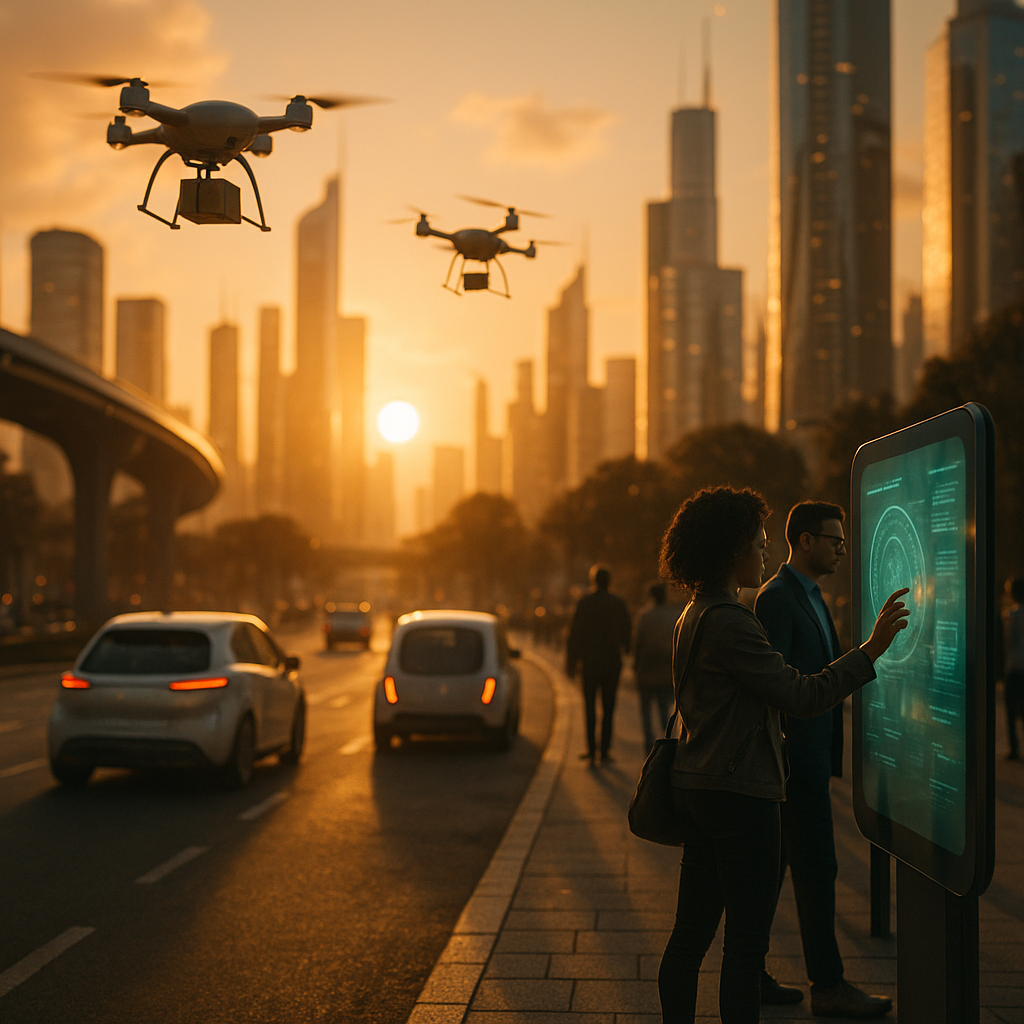
- Transportation: AI powers self-driving cars, optimizing routes and improving road safety.
- Entertainment: Streaming services leverage AI to analyze viewing habits, enhancing user engagement.
The Benefits of AI Integration
Integrating AI into various fields offers numerous advantages, including:
- Efficiency: AI systems can carry out tasks faster than humans, especially in data-intensive environments.
- Accuracy: Machine learning algorithms consistently improve their predictions and outcomes based on data analysis, reducing errors.
- Cost Reduction: Automating repetitive tasks helps organizations save resources and allocate human efforts more strategically.
Ethical Considerations in AI Development
While the benefits of AI are substantial, the technology also raises ethical concerns:
- Data Privacy: The collection and use of personal data by AI systems necessitate strict adherence to privacy regulations.
- Job Displacement: As AI automates tasks, there is a significant concern regarding job loss in various sectors.
- Bias and Fairness: AI systems can inadvertently perpetuate biases present in training data, leading to unfair outcomes.
The Future of AI
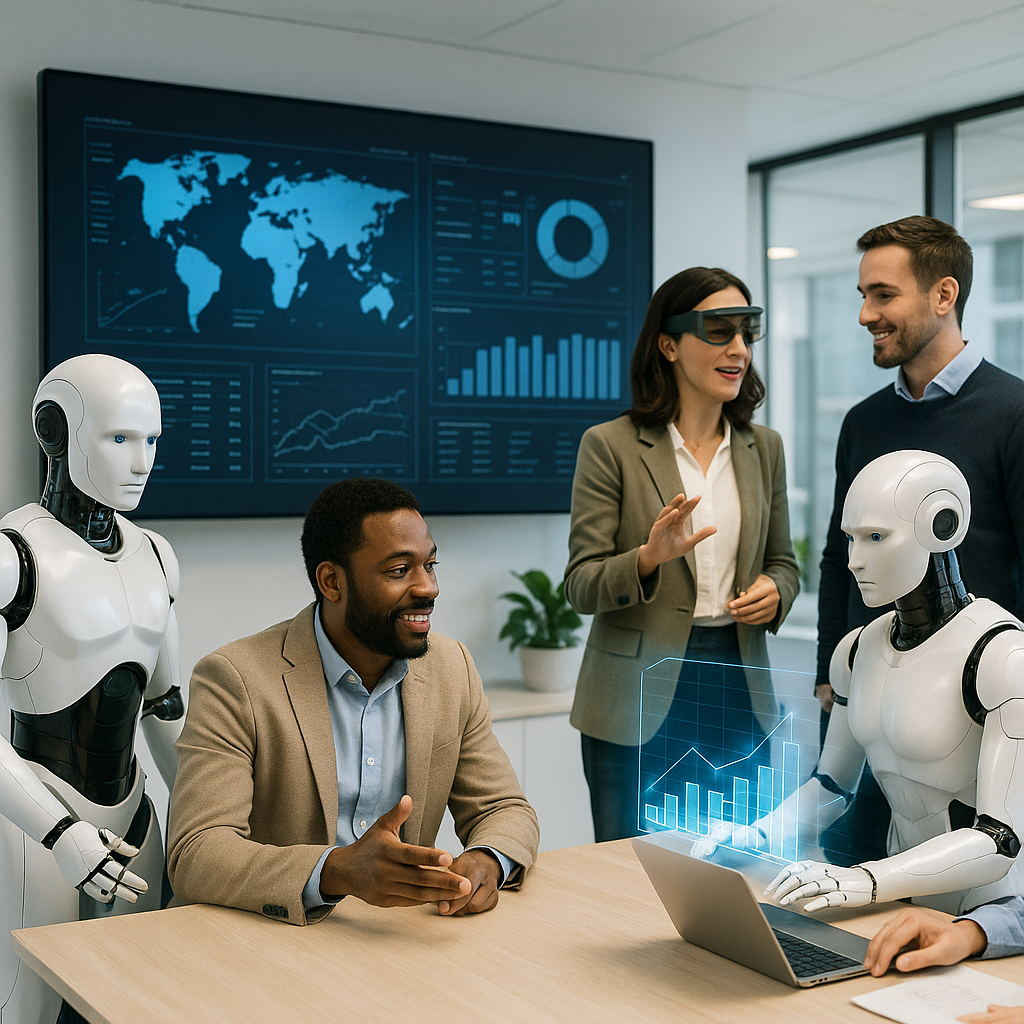
The future of artificial intelligence promises further advancements. As we move forward, human-machine collaboration is expected to dominate, enabling us to harness the strengths of both. For instance, MANUFACTURING industries are already seeing collaborative robots (cobots) working alongside humans, enhancing productivity.
In conclusion, AI is not just a technological trend; it’s reshaping how we interact with the world. As society embraces this transformation, responsible development and application of AI will determine the benefits it brings to humanity.