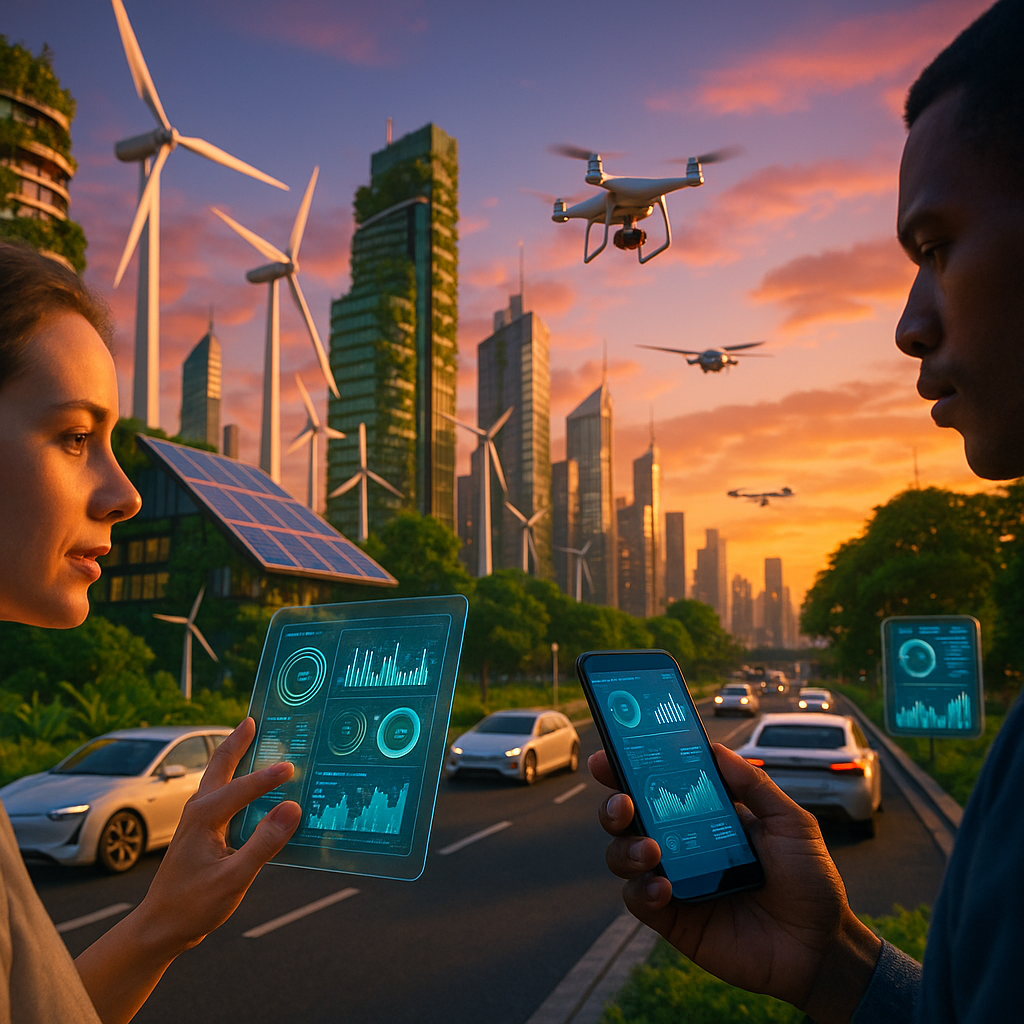
The Anatomy of Modern Technology Trends
In an era dominated by rapid advancements in technology, staying updated with the latest trends is crucial for both individuals and businesses. The technological landscape is constantly evolving, and with it, the requirements and expectations from IT professionals and companies. Let’s delve into some of the most significant trends in technology and their implications for the future.
1. Cloud Computing: The Backbone of Modern Enterprise
Cloud computing has transformed how businesses operate. It provides scalable resources and services over the internet, reducing the need for physical hardware and on-site infrastructure. Organizations can store data and run applications in the cloud, ensuring accessibility from anywhere in the world. Cloud computing categorizes into three main models:
- IaaS (Infrastructure as a Service): Provides virtualized computing resources over the internet.
- PaaS (Platform as a Service): Offers hardware and software tools over the internet, primarily for application development.
- SaaS (Software as a Service): Delivers software applications over the internet on a subscription basis.
2. The Rise of Edge Computing
With the proliferation of IoT devices, edge computing is gaining traction. This technology brings computation and data storage closer to the sources that generate data, minimizing latency and bandwidth use. By processing data at the edge of the network, businesses can enhance operational efficiency and improve real-time data analytics.
3. Enhancing Cybersecurity Measures
As technology grows, so does the threat landscape. Cybersecurity has become a primary focus for companies of all sizes. The shift towards remote work and increased dependency on digital solutions has heightened the need for robust security measures. Organizations are now adopting advanced cybersecurity frameworks that include:
- Machine Learning: Leveraging AI to predict and mitigate potential threats.
- Zero Trust Architecture: Ensuring that no one, whether inside or outside the organization, can access systems without verification.
- Regular Training: Educating employees about the latest phishing scams and security protocols.
4. The Internet of Things (IoT) Expansion
The Internet of Things entails the connection of everyday objects to the internet, enabling them to send and receive data. IoT technology is shaping various sectors, including manufacturing, healthcare, and home automation. Its benefits include:
- Improved Operational Efficiency: By leveraging real-time data, businesses can optimize processes.
- Enhanced Customer Experience: IoT devices can gather consumer preferences, allowing for personalized marketing.
- Predictive Maintenance: IoT sensors can monitor equipment health, reducing downtime via timely interventions.
5. Automation and Robotics in Business
Robotic process automation (RPA) and advanced robotics have significantly impacted various industries. These technologies automate routine tasks, streamline workflows, and reduce human error. The employment of AI in robotics enhances machine learning capabilities, enabling robots to adapt to complex environments dynamically.
Conclusion: Embracing Technology’s Future
As we navigate the ebb and flow of technological advancements, it becomes essential for individuals and organizations to embrace these innovations. By understanding and integrating these trends into everyday operations, we can not only survive but thrive in this digital age. The future will inevitably be shaped by those who dare to adapt to the ever-changing landscape of technology.