The Rise of Smart Technologies
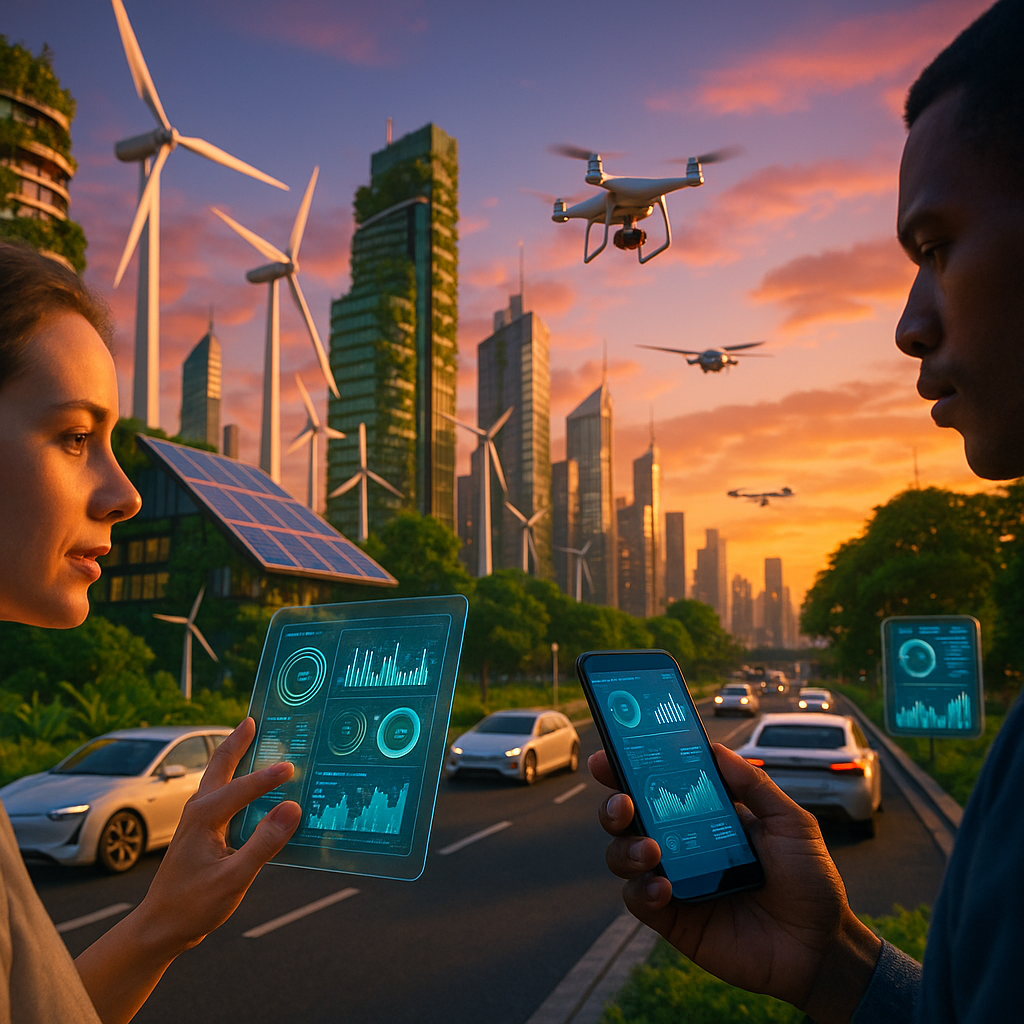
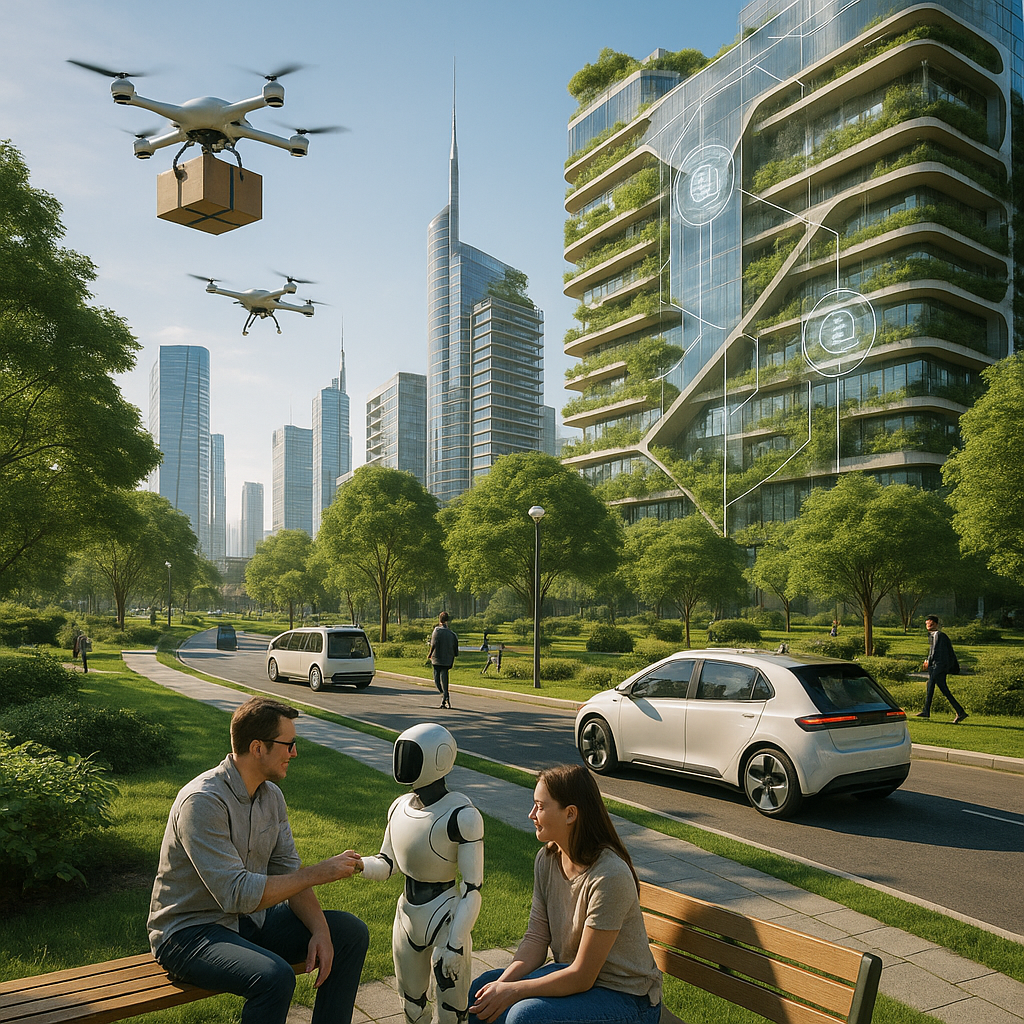
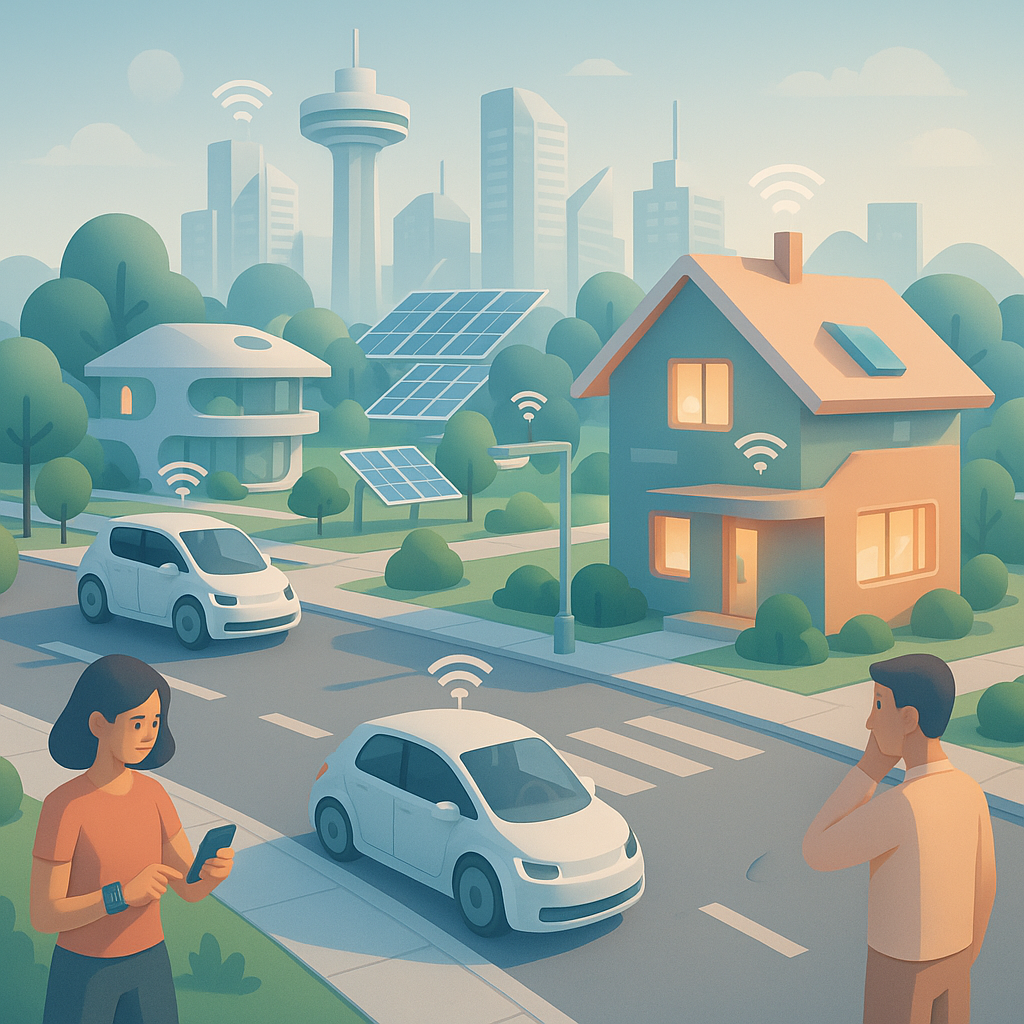
In the rapidly evolving world of technology, smart devices are leading the charge towards a more connected and efficient future. These gadgets, from smartphones to smart home systems, are not merely luxury items; they have become essential components of our daily lives. The integration of artificial intelligence (AI) in these devices enhances their functionality, making everyday tasks more manageable and intuitive.
Smart Home Automation
Home automation has seen an explosive growth in recent years. Today, homeowners can control lighting, heating, and security systems from their smartphone or through voice commands. Smart home devices have made a significant impact on energy efficiency; for instance, smart thermostats can adjust heating and cooling based on the homeowner’s patterns, leading to substantial energy savings.
Healthcare Innovations
The healthcare sector is also experiencing a technological revolution. Wearable devices, such as smartwatches and fitness trackers, allow users to monitor their health in real-time. These devices track metrics like heart rate, sleep patterns, and physical activity, providing valuable data to users and healthcare providers alike.
Furthermore, telemedicine has grown in popularity, allowing patients to consult healthcare professionals through video calls, reducing the necessity for in-person visits and expanding access to medical advice.
Emerging Technologies in Transport
Transportation has become increasingly influenced by technological advancements. Electric vehicles (EVs) are now at the forefront, with numerous automobile companies investing heavily in electric technology. This shift aims to reduce carbon emissions and dependence on fossil fuels, aligning with global sustainability goals.
Autonomous Vehicles
The concept of autonomous vehicles is moving from science fiction to reality. Major tech players, including Google and Tesla, are constantly refining their self-driving technologies. The potential for reducing traffic accidents, optimizing transport efficiency, and transforming urban planning is immense. However, regulatory and ethical considerations remain critical challenges to widespread adoption.
The Future of Blockchain Technology
Beyond traditional finance, blockchain technology is starting to permeate various industries, including supply chain management, healthcare, and even voting systems. Its decentralized nature offers transparency and security, which can help combat fraud and enhance data integrity.
Blockchain in Supply Chain Management
In supply chains, blockchain allows for real-time tracking of products from their origin to the end consumer. This transparency enhances trust and accountability, as consumers can verify the authenticity and ethical sourcing of products.
The Ethical Implications of Technology
With great power comes great responsibility, and as technology advances, so do the ethical implications. Privacy concerns have surfaced, particularly regarding AI and the data these technologies collect. Businesses must navigate these waters carefully to build consumer trust.
Conclusion
As we stand on the brink of numerous technological revolutions, it is pertinent to embrace these innovations while remaining mindful of their potential impacts. The future looks bright, filled with challenges and opportunities, and by harnessing our collective creativity and resilience, we can steer technology toward a better tomorrow.